Grosse Pointe Farms and Grosse Pointe Shores are studying whether natural shoreline features could replace portions of the aging Lake St. Clair seawall, prompting questions from residents about access and neighborhood impacts.
Residents from both communities attended an Oct. 21 public meeting at Pier Park to learn about the project, which covers approximately three miles of shoreline along Lake Shore Road between Vernier and Warner roads.
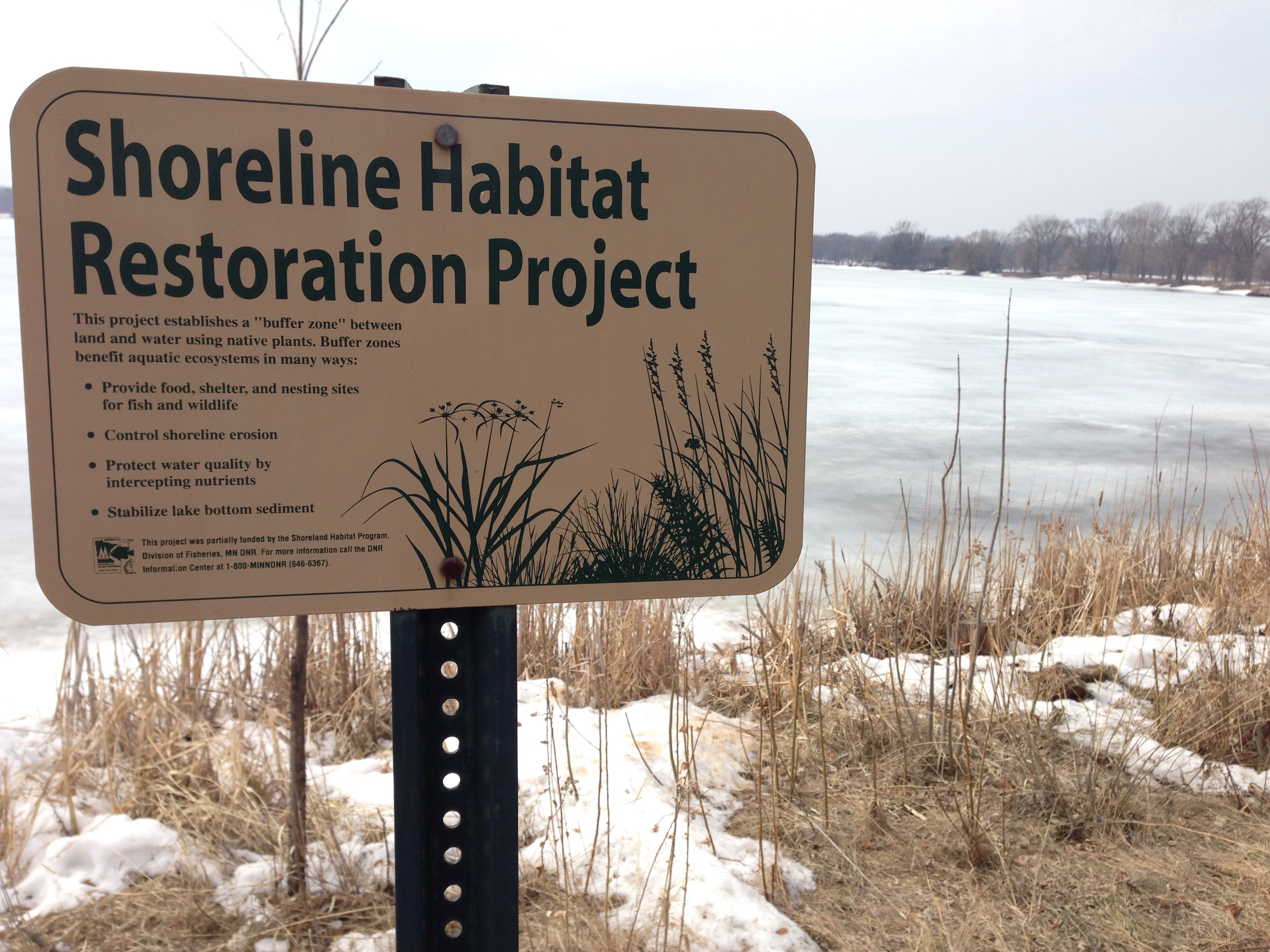
The study will evaluate whether rocks, native vegetation and other nature-based features can protect against erosion while improving habitat.
According to a Great Lakes Commission project fact sheet, approximately $870,000 is available through the Great Lakes Restoration Initiative for feasibility work, engineering and design.
Grosse Pointe Farms is managing the project in partnership with Grosse Pointe Shores, with engineering support from Hubbell, Roth & Clark.
Residents question shoreline changes
Some residents expressed concerns about how the project might affect the appearance and use of the waterfront.
Grosse Pointe Shores resident George Kriese raised concerns about parking, litter and the possibility that shoreline improvements could attract more visitors, according to the Grosse Pointe Times' account of the meeting.
Project representatives said the study focuses on shoreline protection rather than creating recreational destinations.
No changes to public-access rules or parking have been approved.
The study also has not identified which sections of the existing concrete seawall might be replaced or modified.
Study targets erosion and habitat loss
The project will examine how natural shoreline features might help absorb wave energy and reduce erosion.
According to the Great Lakes Commission's project overview, at least 90% of the U.S. shoreline of Lake St. Clair has been hardened with seawalls or rock barriers.
Those structures protect developed waterfront areas but can limit nearshore habitat used by fish and wildlife.
The study will assess approximately three miles of shoreline, identifying locations where restoration may be practical.
The project team anticipates developing designs for two potential restoration locations covering approximately 1,800 feet of shoreline and 18 acres of coastal habitat.
Those figures describe planning goals, not approved construction.
The design phase is expected to continue through spring 2028.
No construction decision yet
The feasibility study began in early 2026 and includes shoreline assessments, engineering analysis and identification of possible restoration approaches.
The project team intends to use those findings to develop designs for selected locations.
Additional funding would be needed for implementation after the design phase.
The Great Lakes Commission says the project is intended to improve shoreline resilience and habitat while addressing the condition of the existing seawall.
For now, the concrete barriers remain in place, and the participating communities have not approved specific replacement locations or construction plans.