Grosse Pointe-area voters approved three property-tax proposals in the Nov. 3 election, authorizing funding for parks and recreation, police and fire services, and the Grosse Pointe Public Library.
The measures apply to different jurisdictions. Grosse Pointe Park approved a new parks millage, the City of Grosse Pointe approved a public safety special assessment, and voters across the Grosse Pointe Public Library district renewed an existing library tax.
The measures differ in their rates, duration and effect on taxpayers.
Grosse Pointe Park approves seven-year parks levy
Grosse Pointe Park voters approved a new 0.65-mill property tax to support the city's parks and recreation facilities.
The levy will run for seven years, from 2027 through 2033, and is expected to raise approximately $562,000 in its first year, according to the city's official millage information.
A rate of 0.65 mill equals 65 cents annually for each $1,000 of taxable property value. A property with a taxable value of $100,000 would therefore pay $65 annually if the full rate is levied.
Revenue can be used to maintain, preserve, repair, replace and improve parks and recreation facilities.
The ballot language also specifies that a portion of the proceeds will be disbursed to the Grosse Pointe Park Downtown Development Authority and the city's Tax Increment Financing Authority.
According to the city's posted election summary, 5,631 voters supported the proposal and 1,270 opposed it in the unofficial election-night count.
City of Grosse Pointe approves police and fire assessment
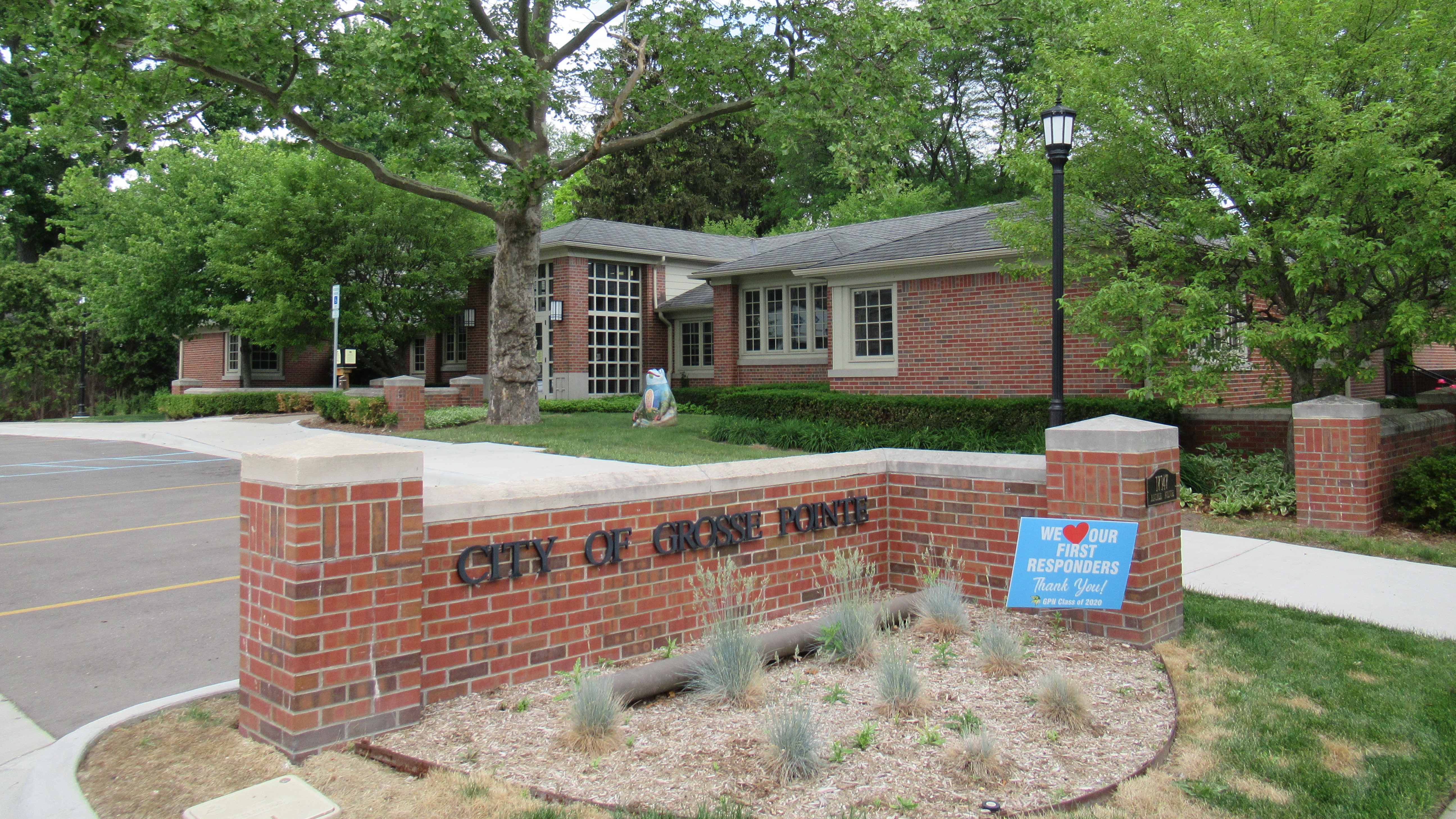
Voters in the City of Grosse Pointe approved a separate 1.25-mill special assessment to support police and fire services.
The measure authorizes annual assessments of up to $1.25 per $1,000 of taxable value on nonexempt real property for four years.
The official ballot language specifies levies from 2026 through 2029 to support public safety operations during the 2027 through 2030 calendar years.
If levied at the full rate, the assessment would cost $125 annually on a property with a taxable value of $100,000.
The city estimated the assessment would generate approximately $613,750 in its first year if fully levied in December 2026.
The revenue is intended to help equip, maintain and operate the city's police and fire departments.
Unofficial Wayne County results showed approximately 70% of voters supporting the measure.
Library millage renewed through 2042
Voters also renewed the Grosse Pointe Public Library's existing 0.6432-mill operating tax.
The renewal covers 15 years, from 2028 through 2042, and supports library services throughout the district.
The Library of Michigan's election results report 23,885 votes in favor and 6,782 against.
Unlike the new parks levy and public safety assessment, the library measure renews an existing tax rather than adding a new millage.
The rate equals $64.32 annually for every $100,000 of taxable property value.
According to the ballot language, the levy is expected to generate approximately $2.66 million in 2028 if imposed at its full authorized rate.
The library district includes the five Grosse Pointe communities and portions of Harper Woods.
Wayne County voters renew zoo funding
Grosse Pointe-area voters also participated in Wayne County's vote on renewing the Wayne County Zoological Authority millage.
The proposal renews and restores the property-tax rate to 0.10 mill for 10 years, from 2028 through 2037.
The funding supports zoological services, including operations associated with the Detroit Zoo.
According to Wayne County's unofficial election results, the proposal received more than 466,000 yes votes compared with approximately 167,000 no votes in the reported count.
The 0.10-mill rate equals $10 annually for a property with a taxable value of $100,000.
What the results mean for taxpayers
The new parks levy applies to taxable property in Grosse Pointe Park, while the police and fire assessment applies to eligible property in the City of Grosse Pointe.
The library renewal and countywide zoo levy cover broader geographic areas.
A property's actual tax bill depends on its taxable value, the jurisdiction in which it is located and the rates ultimately levied.
Together, the results authorize continued or additional funding for public facilities and services over periods ranging from four to 15 years.